

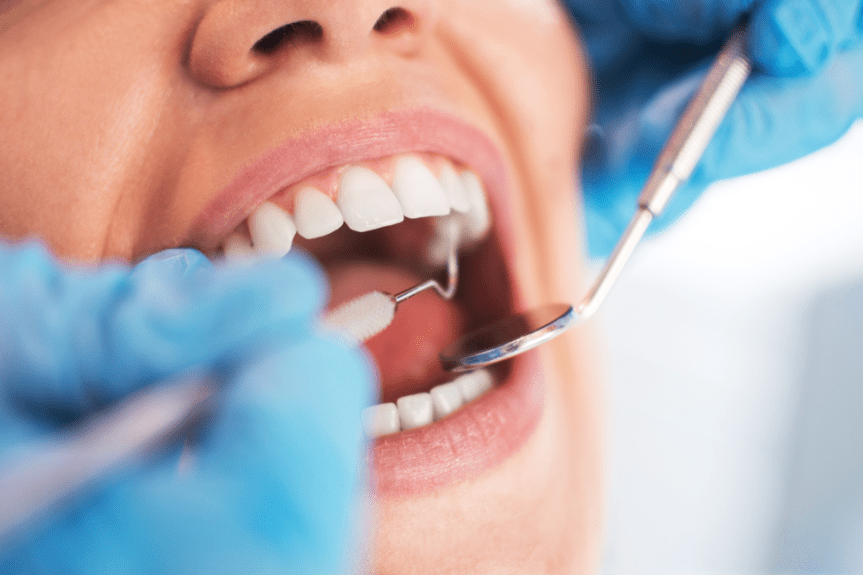
Maintaining good dental health is crucial for overall well-being. Our oral health impacts not only our ability to eat and speak but also plays a significant role in our systemic health. Here’s a comprehensive guide to understanding and improving your dental health.
Importance of Dental Health
Our teeth and gums are not just tools for chewing food; they are essential for our overall health. Poor oral hygiene can lead to various dental problems such as cavities, gum disease, and bad breath. Moreover, recent research has shown links between oral health and conditions like cardiovascular disease and diabetes. This underscores the importance of maintaining good dental hygiene habits throughout our lives.
Daily Dental Care Routine
A proper dental care routine begins at home. Brushing your teeth at least twice a day with a fluoride toothpaste is fundamental. Fluoride helps strengthen tooth enamel, making it more resistant to decay. It’s important to use a toothbrush with soft bristles and replace it every three to four months or sooner if the bristles become frayed.
In addition to brushing, flossing daily is crucial for removing plaque and food particles from between teeth where your toothbrush can’t reach. This helps prevent gum disease and cavities in these hard-to-reach areas.
Nutrition and Dental Health
A balanced diet plays a significant role in maintaining dental health. Avoiding excessive consumption of sugary foods and drinks is essential as sugars can contribute to tooth decay. Instead, opt for a diet rich in fruits, vegetables, and dairy products, which provide essential nutrients for healthy teeth and gums.
Calcium-rich foods like milk, cheese, and yogurt help strengthen tooth enamel, while crunchy fruits and vegetables like apples and carrots can help clean teeth naturally by stimulating saliva production and scrubbing away plaque.
Regular Dental Check-ups
Regular visits to the dentist are crucial for maintaining good oral health. Dentists can detect early signs of dental problems such as cavities, gum disease, and oral cancer before they become serious issues. Dental check-ups typically include a professional cleaning to remove plaque and tartar buildup that cannot be removed by brushing and flossing alone.
The frequency of dental visits may vary depending on individual oral health needs, but a general guideline is to see your dentist at least twice a year for preventive care.
Understanding Gum Disease
Gum disease, also known as periodontal disease, is an infection of the tissues that surround and support your teeth. It is caused by plaque, a sticky film of bacteria that forms on teeth and gums. Early stages of gum disease (gingivitis) can be reversed with proper oral hygiene and professional treatment. However, advanced gum disease (periodontitis) can lead to tooth loss and may require more extensive treatment.
Signs of gum disease include red, swollen, or bleeding gums, persistent bad breath, loose teeth, and changes in the way your teeth fit together when you bite. If you notice any of these symptoms, it’s important to see your dentist promptly for evaluation and treatment.
Dental Care for Children
Establishing good oral hygiene habits early in life is essential for children’s dental health. Parents should begin cleaning their baby’s gums with a soft cloth or infant toothbrush even before the first tooth emerges. Once teeth appear, use a small amount of fluoride toothpaste and a soft-bristled toothbrush to gently clean their teeth twice daily.
Regular dental check-ups are recommended for children as well, starting around their first birthday or when the first tooth appears. Dentists can provide guidance on proper brushing and flossing techniques, fluoride treatments, and dental sealants to help protect children’s teeth from cavities.
Conclusion
Maintaining good dental health is a lifelong commitment that requires consistent effort and attention. By following a proper dental care routine, eating a balanced diet, visiting your dentist regularly, and addressing any oral health issues promptly, you can help ensure a healthy smile for years to come. Remember, your oral health is an integral part of your overall well-being, so prioritize it accordingly.

 Healing Hub Health Blog