

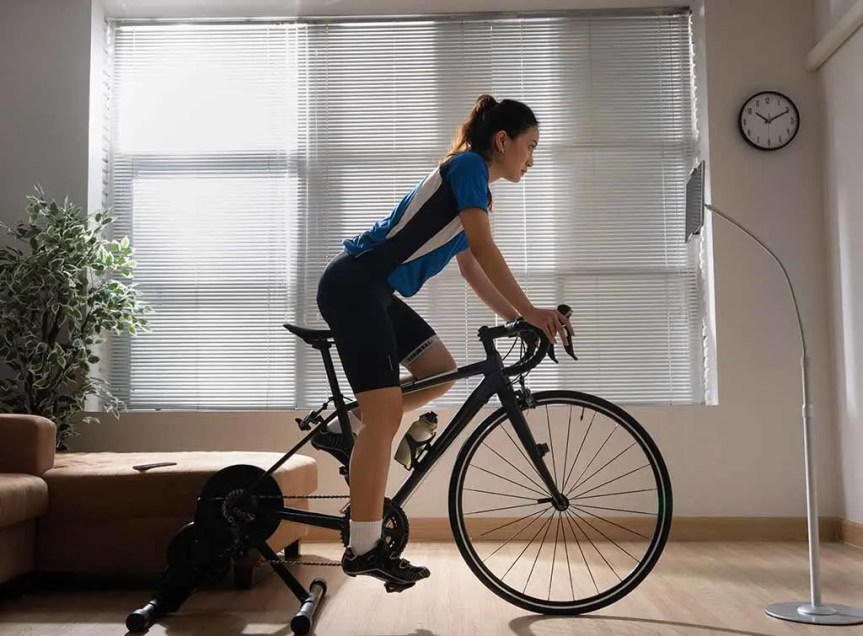
Breathing is the foundation of all endurance sports. Yet for many, it is the most overlooked skill in fitness. While cyclists and runners often focus on cadence, resistance, or heart rate, the way you breathe can significantly affect performance. An indoor spin class provides the perfect environment to refine respiratory techniques. The controlled setting allows riders to practice breathing patterns that enhance endurance, reduce fatigue, and make workouts more sustainable.
This article dives into breathing mechanics, practical techniques, and strategies to integrate respiratory training into your spinning routine.
Why Breathing Matters More Than You Think
Breathing influences oxygen delivery to working muscles. Inefficient breathing increases the effort required for the same output, raising perceived exertion and limiting endurance. In humid climates like Singapore, breathing effectively also helps manage discomfort caused by warm, dense air.
Key benefits of respiratory training include:
-
Improved oxygen uptake
-
Lower perceived exertion at the same workload
-
Enhanced post-ride recovery
-
Reduced stress and mental fatigue
A structured focus on breathing can elevate your cycling experience as much as adjusting cadence or resistance.
Diaphragm Basics for Cyclists
The diaphragm is the primary breathing muscle. Many people breathe shallowly from the chest, which reduces oxygen intake and strains accessory muscles in the shoulders and neck.
Signs of Poor Breathing Habits
-
Rapid, shallow breaths during moderate efforts
-
Excess tension in shoulders and upper chest
-
Early fatigue despite low resistance
Diaphragmatic Breathing
-
Sit upright on the bike
-
Inhale deeply through the nose, allowing the belly to expand
-
Exhale fully through the mouth, pulling the belly inward
Practising this between intervals retrains your body to use the diaphragm effectively.
Cadence to Breathing Ratios
Linking breathing patterns with cadence improves rhythm and efficiency.
-
Endurance efforts (80–90 RPM): Inhale for 3 pedal strokes, exhale for 3.
-
Tempo (85–95 RPM): Inhale for 2 strokes, exhale for 2.
-
Sprints (100+ RPM): Short, sharp breaths timed with each pedal stroke.
This synchronisation stabilises effort, prevents breathlessness, and maintains focus during longer rides.
Nasal vs Oral Breathing
Nasal breathing has gained attention in endurance training. It filters, warms, and humidifies air, making it easier on the lungs. However, at high intensities, oral breathing becomes necessary to meet oxygen demands.
-
Easy rides: Practise nasal breathing to improve diaphragm strength.
-
Moderate sessions: Alternate between nasal and oral for balance.
-
High-intensity sprints: Use oral breathing for maximum oxygen uptake.
Developing flexibility between the two ensures you remain efficient in all conditions.
Recovery Drills Between Intervals
Spin classes often involve intervals of high intensity followed by recovery phases. These are ideal moments to practice controlled breathing.
-
Box breathing: Inhale for 4 counts, hold for 4, exhale for 4, hold for 4.
-
Progressive exhalation: Exhale more slowly than you inhale to trigger parasympathetic recovery.
-
Shoulder release: Relax upper body tension while focusing on deeper diaphragmatic breathing.
These drills accelerate recovery between efforts and prepare you for the next interval.
Posture Setups That Open the Rib Cage
The way you sit on the bike influences lung expansion. Poor posture compresses the diaphragm and reduces breathing efficiency.
-
Neutral spine: Avoid rounding the back.
-
Elbows relaxed: Slight bend prevents shoulder tension.
-
Hips stable: Excess rocking compresses the rib cage.
Instructors often cue posture corrections during class. Paying attention to these details ensures your breathing muscles work optimally.
Respiratory Strength Training Off the Bike
Complementing spin sessions with off-bike respiratory training improves capacity further.
-
Breath-hold training: Short breath-hold intervals build CO₂ tolerance.
-
Resistance breathing devices: Tools that add resistance to inhalation and exhalation strengthen the diaphragm.
-
Yoga-based breathwork: Techniques like alternate nostril breathing improve control and lung capacity.
Combining these with spinning makes breathing mechanics second nature during high effort.
How TFX Studios Encourage Better Breathing
Studios such as TFX Singapore place emphasis on posture, pacing, and environment. Instructors guide riders through rhythm-based workouts where breath control is built into cadence drills. The combination of music, structured intervals, and airflow systems encourages riders to synchronise breathing with effort. This makes classes both challenging and supportive for those who want to develop respiratory resilience.
FAQs on Breathing and Spin Training
Q: Can nasal breathing really improve endurance in spin classes?
A: Yes, nasal breathing trains the diaphragm and builds tolerance to CO₂. While not sustainable for sprints, it improves efficiency at moderate intensity.
Q: Why do I gasp for breath when standing during climbs?
A: Standing compresses the rib cage if posture is poor. Focus on keeping your chest open, elbows relaxed, and core engaged.
Q: Should I practise breath-holding in class?
A: No, breath-hold training is best done off the bike. In class, focus on rhythm-based breathing linked to cadence.
Q: Will breath training improve my running performance too?
A: Absolutely. Stronger breathing mechanics transfer across all endurance sports, including running and swimming.
Q: Can breathing techniques reduce stitch or side cramps?
A: Yes, controlled exhalation and diaphragmatic breathing often relieve or prevent side cramps during cardio training.

 Healing Hub Health Blog