

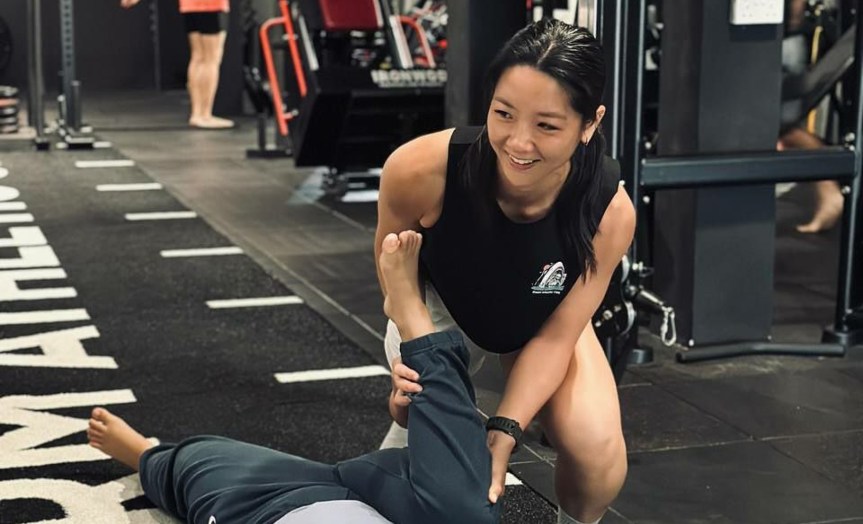
Many adults in Singapore are now focusing on biological age rather than simply looking at weight, appearance or fitness levels. Biological age reflects how well your body is functioning and how efficiently your systems can recover, adapt and perform. It considers cellular health, muscular strength, movement quality, cardiovascular efficiency, sleep patterns and stress resilience. This growing interest has pushed more people to look for training methods that create long-term vitality rather than short-term aesthetic results.
When individuals begin exploring personal training singapore, they often discover that science-driven programming is one of the most effective ways to reduce biological age. By focusing on targeted strength work, mobility, recovery, metabolic conditioning and lifestyle structure, personal training helps the body function as if it is biologically younger. This approach is not about intense workouts alone. It is about strategic, personalised training that improves the systems that govern ageing.
Understanding Biological Age and How It Differs from Actual Age
Biological age is a measure of how well the body operates. Two people of the same chronological age can have drastically different biological ages based on their fitness, recovery, nutrition, sleep and stress exposure. Someone who is forty years old may function like a thirty year old if their body systems are efficient, while another forty year old may function like someone older due to lifestyle patterns and lack of structured training.
The essential components of biological age include:
- Cardiovascular health
- Muscular strength and endurance
- Bone density
- Mobility and joint function
- Hormonal balance
- Inflammation levels
- Metabolic efficiency
- Cognitive sharpness
A personalised training plan can influence many of these markers, helping the body operate at a younger biological age.
The Science Behind Age Reversal Through Fitness
Age reversal through training is supported by several well-established physiological principles. Regular exercise increases mitochondrial density, enhances blood flow, improves muscle quality and boosts metabolic function. These changes help the body repair tissues faster and produce energy more efficiently. Strength training increases bone density and supports joint structure. Conditioning work improves heart and lung function. Mobility work maintains movement quality.
These adaptations allow the body to regain the efficiency and strength that is commonly associated with younger individuals. When combined within a structured programme, the result is a measurable reduction in biological age.
Why Personal Training Is More Effective Than General Exercise
General exercise offers benefits, but personal training creates measurable biological improvements because programmes are customised. Trainers analyse movement patterns, strength levels, cardiovascular health and recovery capacity before designing a structured plan. This prevents plateaus, reduces injury risk and ensures consistent progress.
While random workouts often target only a single area, personalised programming focuses on full-body adaptation including:
- Strength
- Metabolic conditioning
- Joint function
- Nervous system regulation
- Flexibility
- Recovery optimisation
This multi-directional approach creates quicker and longer lasting improvements to biological age.
How Strength Training Reduces Biological Age
Strength training is one of the most important components of biological age reversal. After the age of thirty, muscle mass declines naturally if it is not trained. Loss of muscle leads to reduced metabolism, weaker posture, slower recovery and lower bone density.
Strength training offers several age-reversing benefits:
- Increases muscle fibre thickness
- Improves metabolic rate
- Enhances insulin sensitivity
- Strengthens bones
- Supports healthy joints
- Reduces chronic pain
- Enhances mobility
Integrating progressive overload, tempo variations and compound movements stimulates the body to rebuild itself stronger over time.
Improving Mobility and Joint Function for Youthful Movement
Youthful bodies move easily and fluidly. Over time, stiffness, poor posture and limited rotation develop due to work habits and lifestyle patterns. Mobility training restores joint freedom and reduces friction in movement.
Mobility work includes:
- Dynamic stretching
- Controlled rotations
- End-range strength work
- Postural corrections
- Breath-guided flexibility drills
Better mobility not only improves comfort but also reflects a younger biological age profile.
Enhancing Cardiovascular Capacity for Better Age Markers
Cardiovascular fitness is one of the strongest indicators of biological age. A healthy heart and lungs help the body deliver oxygen more efficiently. This influences energy levels, mental clarity, endurance and resilience.
Personal trainers use:
- Structured intervals
- Aerobic conditioning sessions
- Heart rate guided training
- Work-to-rest programming
This strengthens the cardiovascular system, making the body feel and function more youthfully.
Building Better Recovery Through Nervous System Training
Recovery is often overlooked, but it defines how well the body adapts to training. Poor sleep, high stress and tiredness accelerate ageing. Personalised programming incorporates nervous system regulation techniques to support deep recovery.
Recovery methods include:
- Breathwork for relaxation
- Low intensity aerobic days
- Mobility circuits
- Guided cool-down routines
- Mind body connection practices
When recovery improves, the body rebuilds and regenerates more efficiently.
Reducing Inflammation for a Younger Biological Profile
Chronic inflammation accelerates ageing by stressing the internal systems. Structured training reduces inflammation through improved circulation, better hormone balance and improved muscular conditioning. Trainers also guide clients on lifestyle choices that support anti-inflammatory daily habits such as posture, movement breaks and hydration patterns.
Using Measurable Data to Track Biological Age Reversal
Singapore offers access to advanced biometric tools, and trainers sometimes use them to track progress. These tools measure:
- Resting heart rate
- VO2 output
- Strength levels
- Movement quality
- Body composition
- Recovery patterns
Tracking these markers shows clear changes in how young the body functions. Clients often notice improvements in walking speed, energy levels, posture and daily comfort long before their measurable metrics shift.
Lifestyle Integration for Long-Term Biological Health
Training alone is not enough. True age reversal happens when lifestyle changes support physical activity. Trainers often help clients adjust habits in areas such as:
- Sleep routines
- Stress management
- Movement breaks
- Light daily activity
- Hydration
- Meal timing
These habits help maintain longevity and create long lasting improvements.
Long-Term Impact of Science-Driven Training
Once biological age begins to reverse, individuals feel lighter, stronger and more capable. Many notice better daily performance, improved confidence and greater resilience during busy or stressful periods. Biological age reversal also supports long-term health, lowering the risk of lifestyle related diseases.
This type of structured approach is becoming more common across Singapore as people prioritise longevity. Many choose professional guidance to ensure they are working with precise training strategies that build a younger, healthier body. Facilities such as True Fitness Singapore demonstrate growing interest in structured training systems that support age reversal goals.
FAQ
Q1. How quickly can biological age improve through structured training?
Most people begin noticing improvements in four to eight weeks. Significant changes usually appear after several months of consistent training.
Q2. Do I need to train every day to reverse biological age?
Not every day. Three to five well structured sessions weekly are often enough for measurable progress.
Q3. Is biological age reversal suitable for older adults?
Yes. Older adults tend to see some of the strongest improvements because personalised training supports balance, strength and recovery.
Q4. Can strength training alone reduce biological age?
Strength training is important but not enough on its own. Mobility, cardiovascular conditioning and recovery also play major roles.
Q5. How do I know if my biological age is improving?
You may feel more energetic, move more comfortably and recover faster. Professional assessments can also track cardiovascular and muscular improvements.

 Healing Hub Health Blog