

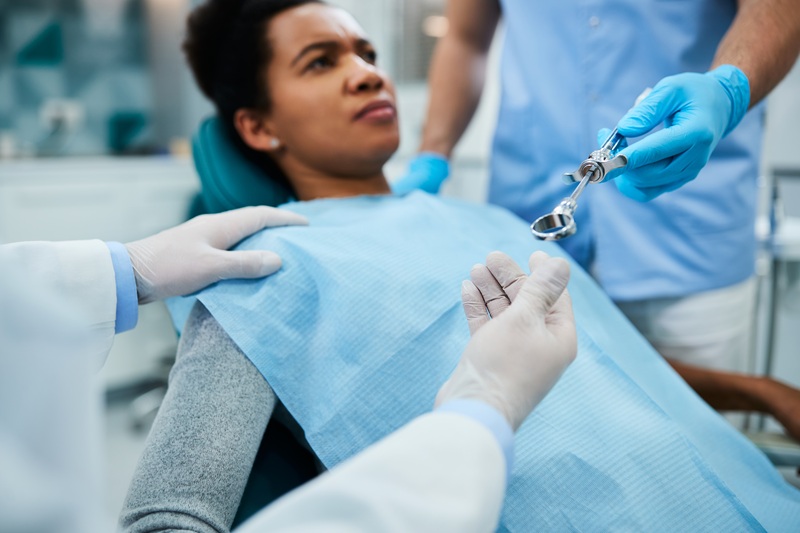
Dental problems can happen suddenly, and when they do, patients often need guidance, comfort, and timely care. A sharp toothache, broken tooth, swollen gum, loose crown, or dental injury can interrupt the day and create real stress. For patients dealing with unexpected oral discomfort, an Emergency Dentist Woodland Hills can help provide a calm place to evaluate the problem and determine the next step.
Emergency dental care is important because many urgent concerns become more complicated when they are ignored. Pain, swelling, sensitivity, or damage may be signs that a tooth, gum tissue, or restoration needs attention. The goal is to identify what is happening, reduce uncertainty, and protect the patient’s oral health with care that feels clear and supportive.
When Dental Care Cannot Wait
Not every dental concern is an emergency, but some symptoms should be taken seriously. Severe tooth pain, facial swelling, bleeding that does not stop, a knocked-out tooth, a cracked tooth, or signs of infection may require prompt evaluation. Even a broken filling or crown can become uncomfortable if the tooth underneath is exposed.
A patient-focused dental office helps make urgent visits less overwhelming. Instead of guessing what the problem might be, patients can receive a professional assessment and a treatment plan based on their specific situation. This can bring peace of mind, especially when pain or visible damage makes it difficult to focus on anything else.
Comfort Matters During Urgent Visits
Dental emergencies often come with anxiety. Patients may worry about pain, cost, timing, or how serious the issue may be. A comfortable and modern dental environment can make the experience feel more manageable from the moment the patient arrives.
Clear communication is especially important during emergency care. Patients should understand what the dentist sees, why a treatment may be recommended, and what options are available. When the process is explained in a calm and respectful way, urgent dental care can feel less intimidating.
Common Reasons Patients Seek Emergency Dentistry
Toothaches are one of the most common reasons people search for urgent dental care. Pain may come from decay, infection, inflammation, grinding, trauma, or a damaged restoration. Broken or chipped teeth can also require attention, especially when they cause sensitivity or affect chewing. In some cases, patients may need help with a loose crown, damaged bridge, dental abscess, gum swelling, or pain after an accident.
An Emergency Dentist Woodland Hills can evaluate these concerns and recommend care based on the condition of the tooth and surrounding tissue. Some emergencies may require restorative treatment, while others may need infection management, root canal therapy, extraction, or a temporary solution until a final restoration can be completed.
Local Care for Faster Support
Having access to local dental care can make a major difference during an emergency. When a patient is already in pain, traveling far or waiting too long can make the situation more stressful. A nearby dental office gives patients a more convenient option for urgent evaluation and follow-up care.
Local care also helps create continuity. If more than one visit is needed, patients can return to a familiar office where the dental team understands their situation, treatment history, and comfort preferences.
Protecting Your Smile After a Dental Emergency
After urgent symptoms are addressed, ongoing care is still important. Follow-up visits, restorations, preventive exams, and good home care can help reduce the risk of future problems. Emergency dentistry is not only about immediate relief. It is also about helping patients preserve their teeth, restore comfort, and regain confidence in their smile.
When dental pain or damage appears unexpectedly, having a trusted office in Woodland Hills can help patients feel supported during a stressful moment. With modern dental services, personalized attention, and a calm approach to care, patients can take the right step toward protecting their oral health.


